




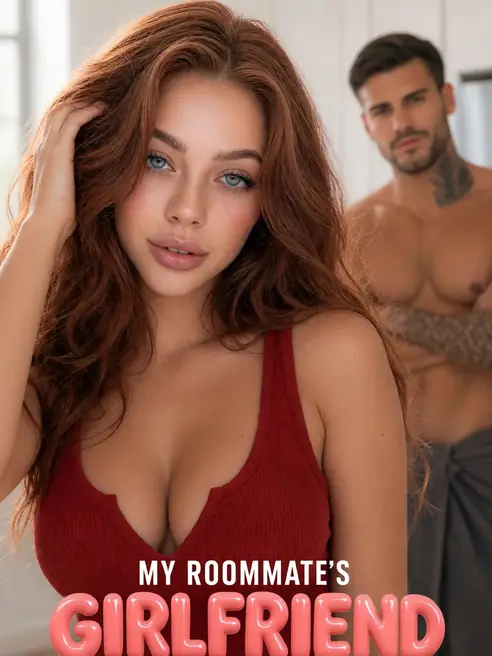
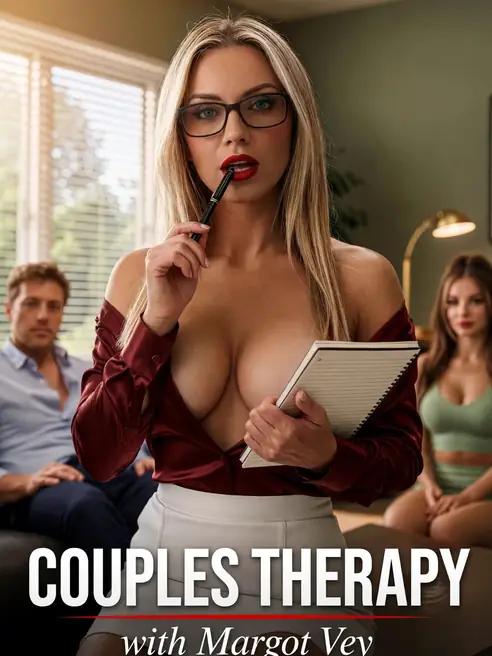
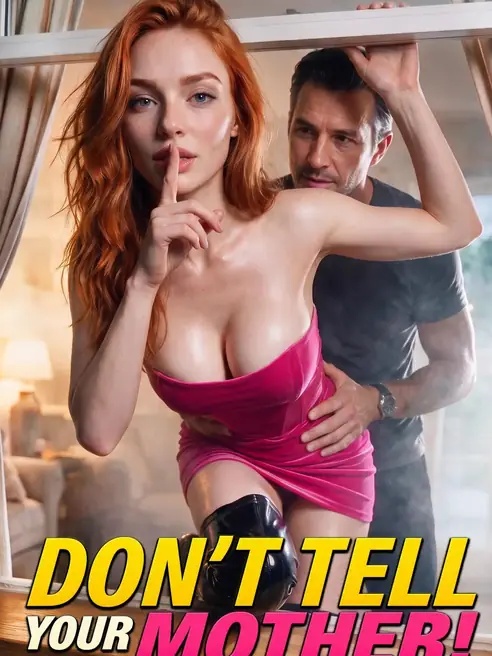

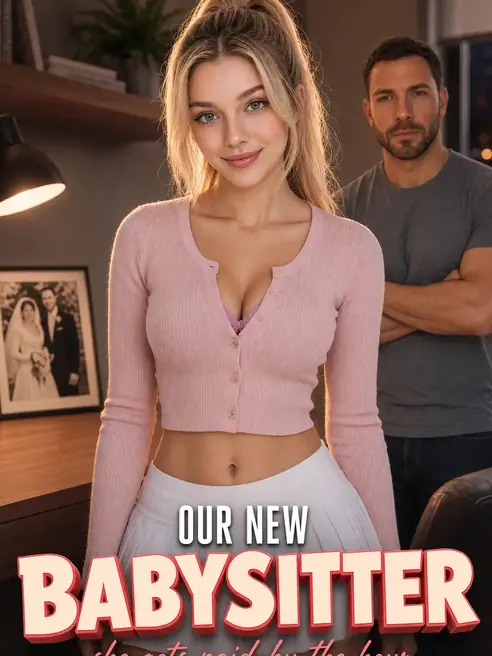










So what is Candy AI Shorts?
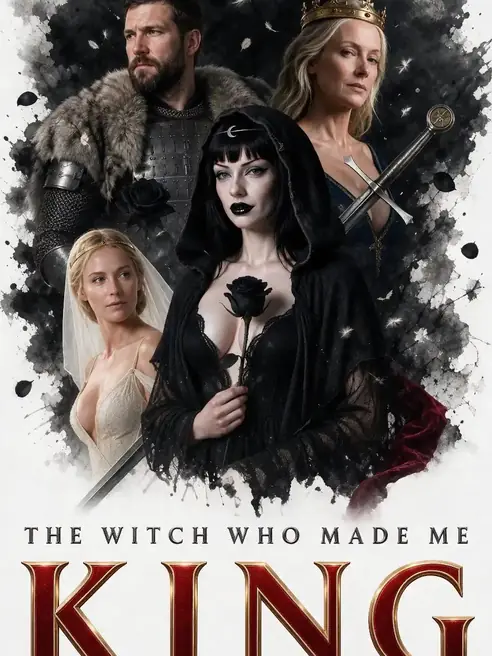
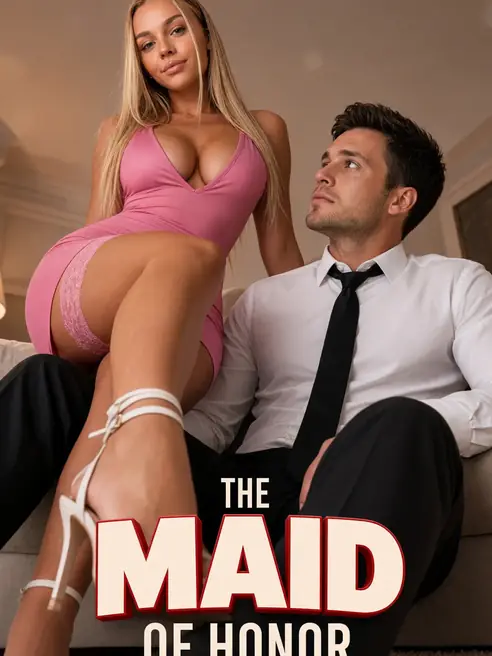
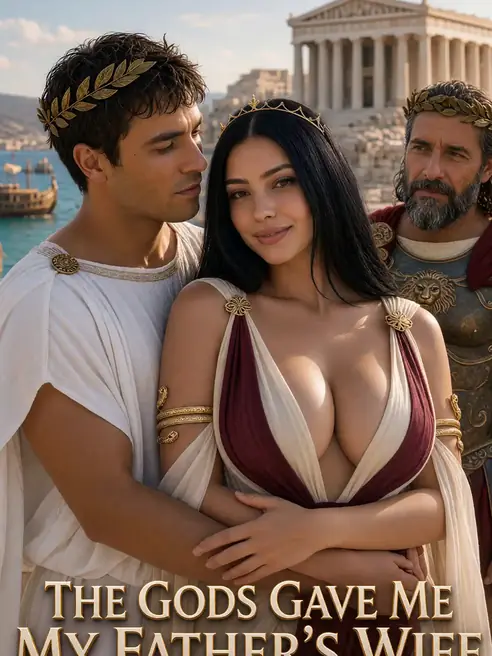
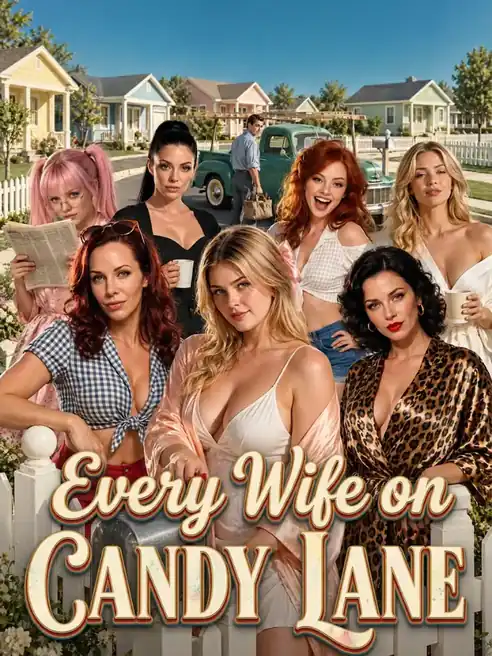
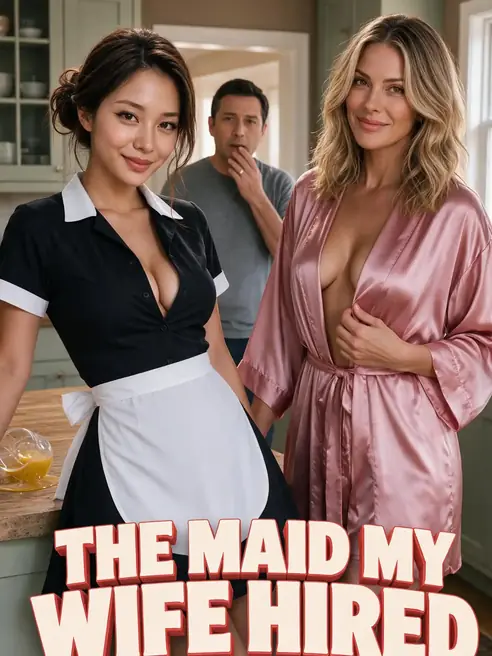
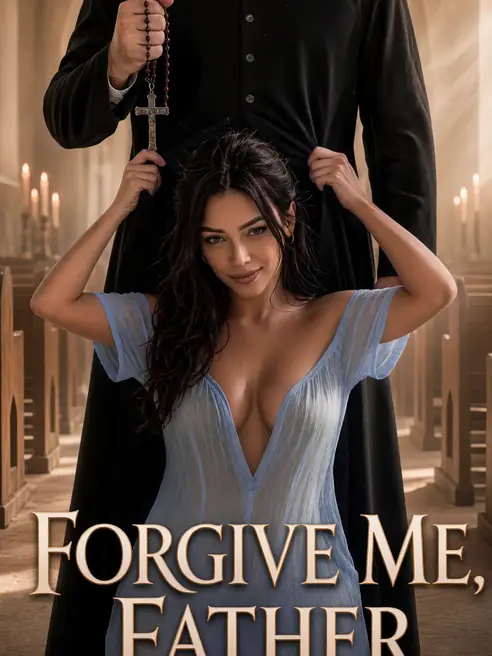
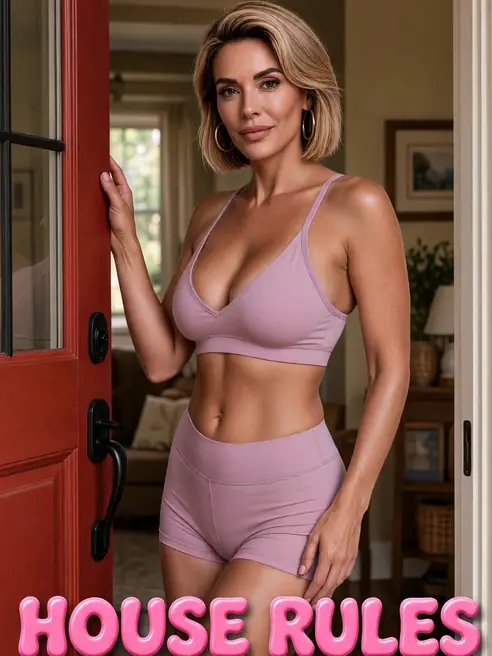
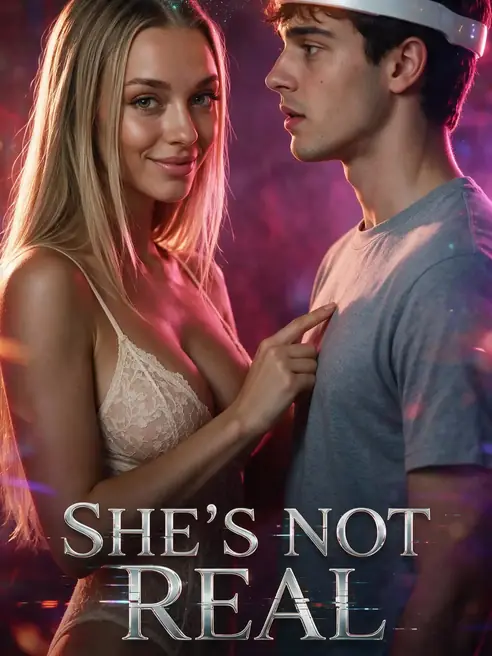
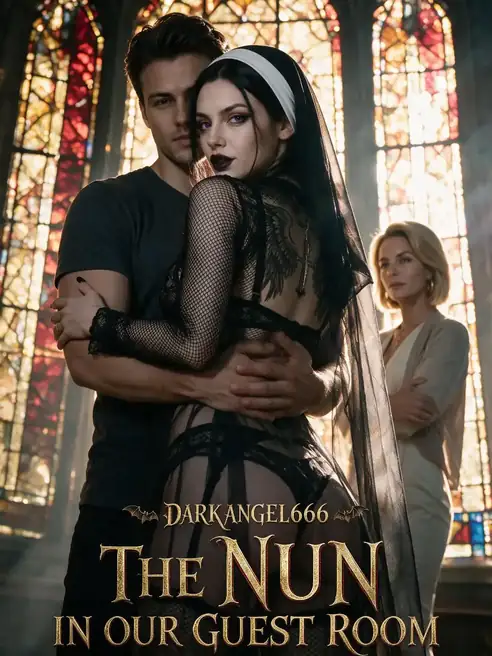
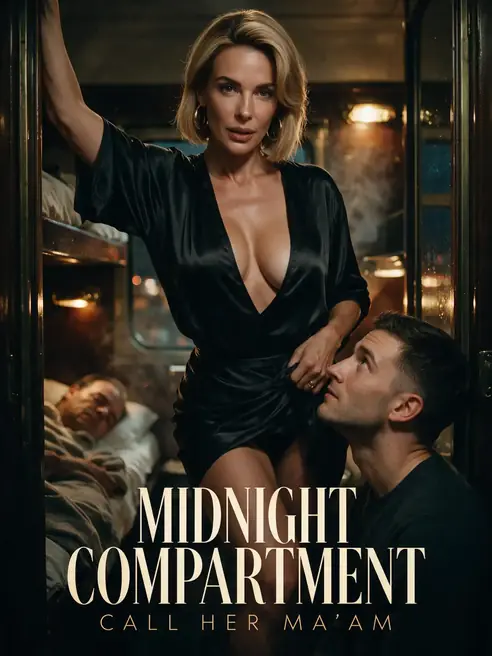
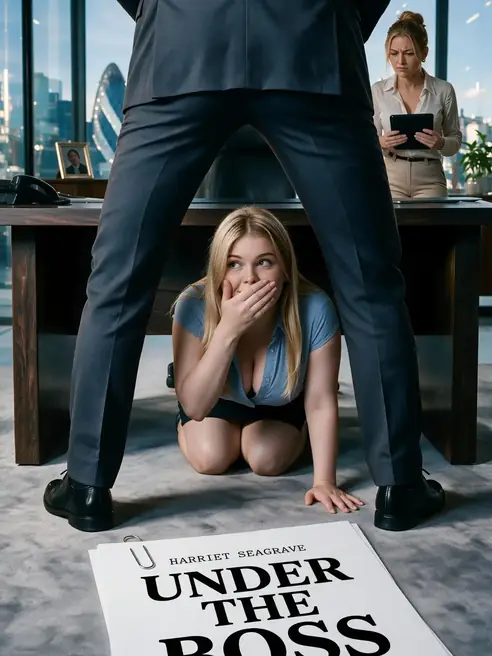
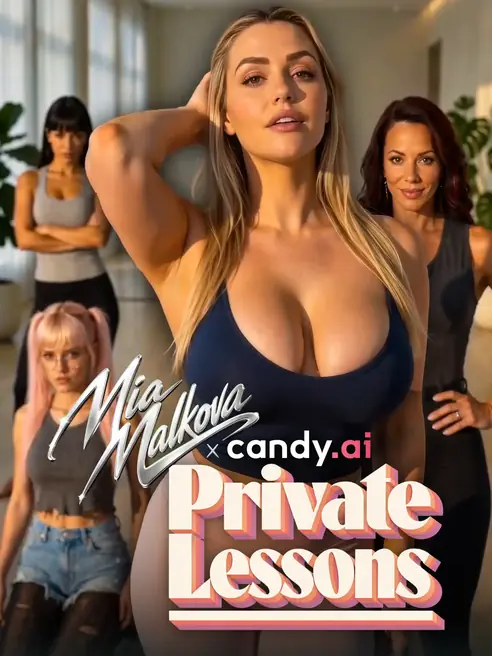
Candy AI Shorts is the series shelf inside Candy.ai. Open the app, tap Shorts in the menu, and you get a wall of vertical posters that behaves a lot like a streaming service squeezed onto a phone screen. Each poster is a small drama told in short vertical episodes. The characters are generated by AI, the scenes are generated by AI, and the stories lean hard on the setups adult audiences search for: stepfamilies, bosses, neighbours, wedding weekends, the odd dragon queen.
The format is new enough that most of what you read about it comes from thirty-second teasers on social apps. Those clips are trimmed to pass the rules of the platforms they run on, so they give the wrong impression in both directions. The full series is neither as tame as the teaser nor a random stream of explicit clips. It is a short season with a plot, and the explicit part arrives at a predictable point.
How a series unfolds
Almost every title follows the same rhythm. Episode one sets up the situation and the attraction. Episode two raises the stakes and ends on a hook. Both play at no cost. Episode three is the first one behind a lock, and it is where the story stops holding back: the scenes turn explicit and stay that way until the finale.
That split is not an accident of editing. Candy uses the first two episodes as a sample you can judge without paying, and it keeps nudity and sex out of them, even when the dialogue is already very direct. If you only want to know whether a series is your kind of story, those two episodes answer it.
The library in numbers, September 2026
We counted the catalogue directly from Candy rather than trusting the marketing copy. On the day of our last count the Shorts shelf listed 118 series. Guests and free accounts can open 111 of them. The other seven carry Candy’s most explicit label and stay out of the public grid until you log in, so their episode counts are not public.
- 100 series run five episodes, which makes five the house length by a wide margin.
- 11 series run longer: six, seven, nine, ten and fifteen episodes, plus one outlier that keeps going for 34.
- 642 episodes are visible in total, and 223 of those are free.
- 9 series feature a licensed performer from the Candy Creators programme, split between Riley Reid, Bonnie Blue, Mia Malkova and Sophie Dee.
The complete breakdown, with charts for episode lengths, prices and themes, lives on the episodes in numbers page.
What is new on the shelf
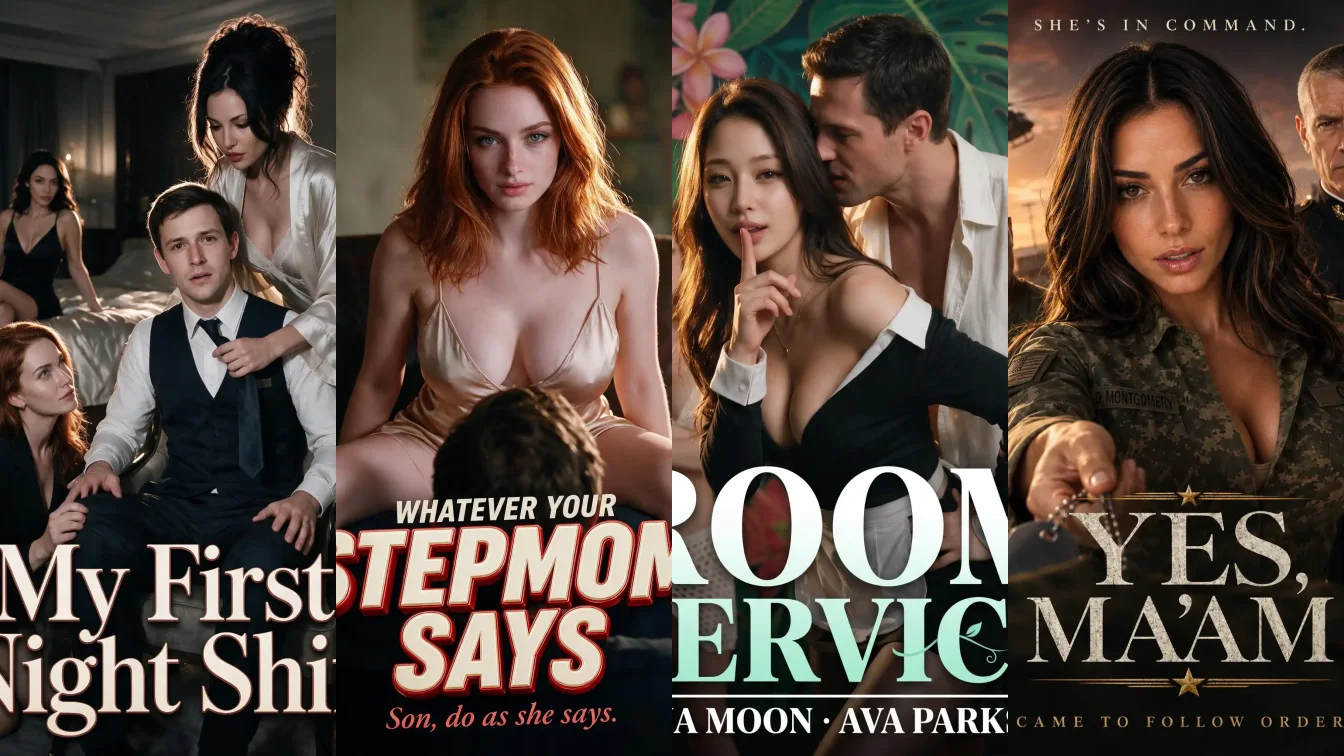
Ten series carry Candy’s new tag at the moment. The most recent is My First Night Shift, a hotel story that joined the catalogue the day before our last count, followed by Bonnie Blue is My Stepsister, Whatever Your Stepmom Says and My Neighbor’s Husband Works Nights!. One much older title carries the tag as well: YES MA’AM, fifteen episodes long, listed as new alongside series that arrived this month.
New series follow the house rules from day one: five episodes in most cases, the first pair free, and the usual token price on the rest. The catalogue table on the episodes page lists them first, so a return visit shows straight away what has changed since you last looked.
What you pay once the free part ends
Locked episodes are bought one at a time with tokens, Candy’s in-app currency, and they stay unlocked on your account afterwards. On a standard series each locked episode costs 12 tokens, so the three paid episodes of a five-part story add up to 36. The creator series charge 30 tokens an episode, which puts a full run at 90.
Tokens come with a Premium subscription, which includes 100 of them every month, and can be topped up in packs from inside your account. At the monthly Premium price of $13.99 that allowance finishes two standard series with tokens to spare, or one creator series. Longer plans bring the monthly price down to $8.99 for three months and $3.99 on the yearly plan. Our cost page works through every combination.
Starting out, step by step
- Open the Shorts shelf on Candy. Every button on this site takes you there, either to the whole library or to a specific series.
- Press play on episode one. Candy may ask you to create a free account at this point; it costs nothing.
- Watch the second episode too. It is still free, and it is where most series reveal their real direction.
- Decide at the lock. Episode three shows its price before you confirm. If you are not a member yet, this is where Candy offers Premium, which brings the first 100 tokens with it.
- Unlock only what you want. Episodes are bought one at a time, so you can stop at any point without paying for the rest of the season.
Shorts and the rest of Candy
Candy started as an AI companion app, and chat is still its main product: you pick or design a character and talk to it, with images and short videos generated along the way. The Shorts shelf is the newer, more passive side of the same platform. You watch rather than steer, and each series tells a fixed story.
The two halves are linked. In 92 of the 111 open series the lead character also has a chat profile, so once a story ends you can keep talking to the person in it. Premium pays for both sides at once: unlimited messages, image and video generation, and the monthly token allowance that unlocks episodes. Nothing obliges you to use the chat to enjoy the series, or the other way round.
How to choose without wasting tokens
Each of the thirty-five posters above opens a full review on this site. The complete catalogue, all 118 titles with filters by theme, sits in a table on the episodes page. Whichever series you pick, a few habits help:
- Watch both free episodes before paying. The second one is the better test, because it shows where the story is heading.
- Check the length. A fifteen-episode series costs more than four times as much as a five-episode one. The token figure under every poster is the cost to reach the final episode.
- Look at the explicitness rating. Where a series has stars, they measure how graphic the locked episodes get on a scale of one to five, not how good the plot is.
- Decide if you want a real performer. Creator series cost more per episode. Our creators guide covers what those series are and which performer stars in which.
Who will enjoy it, and who will not
Candy AI Shorts works best for adults who like their explicit content with a premise attached and do not mind that everything on screen is generated. The episodes are short enough to watch on a break, the stories are easy to follow, and the pay-per-episode model means you never commit to more than one scene at a time. Fans of a specific performer have the creator series, and fans of a specific scenario have the tag filters.
It is a poor fit for anyone expecting filmed footage, long cinematic storytelling or a flat-rate library where every episode is included. It is also no use to anyone under 18: Candy restricts the section to adults, and so does this site.
Where Candy AI Shorts is and is not available
The series stream inside Candy.ai on the web and in its installable app, and Candy also runs a standalone Candy Shorts site built on the same catalogue. That is the whole list. Full seasons posted on video hosting sites, forum threads promising every episode unlocked, or downloads passed around as leaks are unauthorised copies. They tend to vanish within days, they are frequently incomplete, and a share of them are simply bait for malware or card-harvesting forms. The uncensored guide explains why no genuine alternative version exists.
About this guide
Candy Shorts AI is an independent site. We are not part of Candy.ai, we do not have access to anything a regular member cannot see, and the explicitness ratings are our own editorial judgement. We re-count the catalogue when Candy adds series, so the totals on this page may move by a few titles between visits. If a figure here disagrees with what you see in the app, the app wins, and we would like to hear about it.
How the numbers on this site are kept honest
Every figure above comes from the same list: one row per series, taken from Candy’s catalogue, with its episodes, free episodes, token prices and tags. The review grid, the catalogue table, the charts and the totals in the text are all generated from that list, so they cannot drift apart. When we disagree with Candy, it is only on the explicitness stars, which are our opinion and are labelled as such wherever they appear.